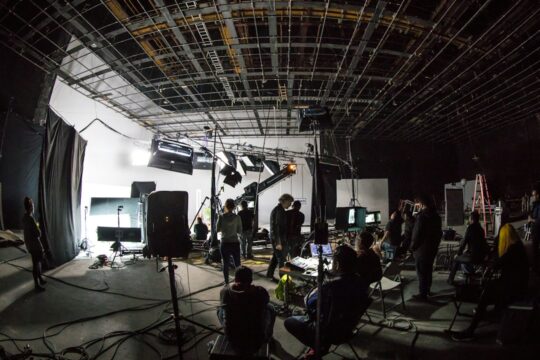
Story & Message
Clarify what the audience should understand, feel or do after watching.
Lambai Communication
Video works best when every creative choice supports a clear communication objective.
From early briefing to final delivery, Lambai Communication can help shape a production conversation around the audience, the message and where the content needs to work.
Discuss Your Project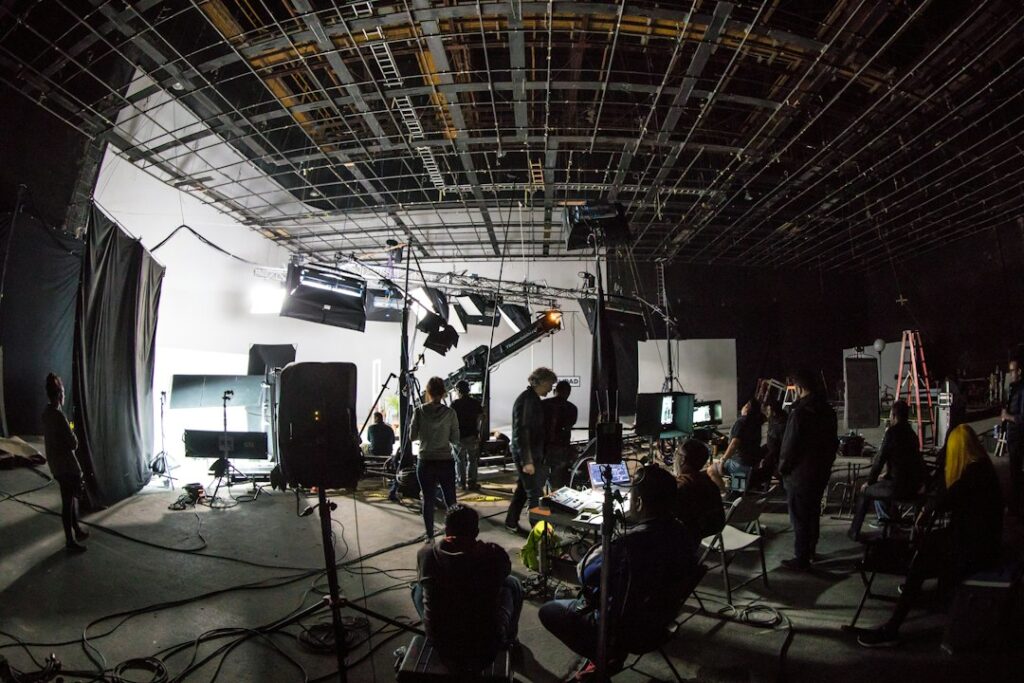
A professional video project brings strategy, storytelling and production decisions together. The format should follow the message—not distract from it.
Clarify what the audience should understand, feel or do after watching.

Consider format, locations, contributors, schedule and practical production needs.
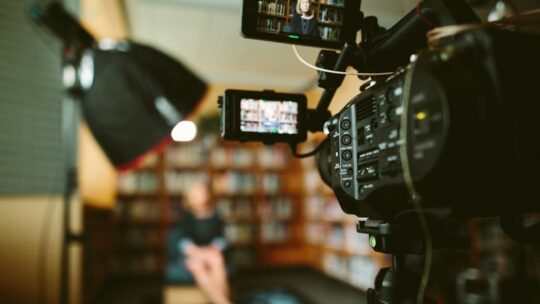
Shape pacing, structure, graphics, sound and review rounds around the agreed purpose.
Ways to use this service

Introduce the organisation through a clear central story. A brand film can bring together people, purpose and practical examples, giving website visitors a useful first impression. Before filming, decide which claims can be supported, who should appear and what viewers should remember. The resulting structure should make the message understandable even to someone encountering the organisation for the first time.
Use contributors or a guided narrative to explain a subject in accessible language. Interview-led videos can give a topic a human voice, while explainers can organise a complex idea into a clear sequence. Prepare questions around the audience’s needs, identify the examples that will help them understand, and plan supporting visuals that add meaning rather than simply fill the screen.
Design short pieces around the viewing context. A campaign film, vertical social edit and longer website version may share a core message but need different pacing, framing and calls to action. Discuss the intended channels before production so the footage, captions and aspect ratios can be planned together. Multiple versions work best when they are considered in the brief rather than requested at the end.

The right format depends on the communication need and intended channel.
Before we begin
Share your objective, target audience, central message, intended platforms and any existing brand materials. Include likely contributors, available locations, proposed dates and reference videos with a short explanation of what you like about them. If you need several versions, list the required aspect ratios, languages or captions. These details help define a useful production scope without forcing you to arrive with a finished script.

A clear process keeps the message connected to the objective while leaving room for creative and practical decisions.
Define objective, audience, message and channels.
Shape the narrative direction and format.
Prepare the production requirements.
Produce, edit, review and prepare delivery.
Length should follow the audience, channel and message. A social edit and a website film may need different versions.
Yes. A clear brief and key message are enough to start the creative conversation.
That can be considered during scoping so formats and capture requirements are planned appropriately.
No. Video can support communication goals, but business or campaign outcomes depend on many factors.
Keep exploring

Explore how media & communication can support a connected communication plan.
Explore media & communication →From the blog
The best video format depends on the objective, audience and viewing context.
Read the guide →Start with the audience and objective. We can use that to shape the production conversation.
Start a Conversation