Key Messages
Define the few points the audience genuinely needs to remember.
Lambai Communication
A good interview is not about memorising perfect answers. It is about knowing the message, understanding the context and responding with clarity.
Lambai Communication can help spokespeople prepare for public-facing conversations through structured message and interview preparation.
Discuss Your Project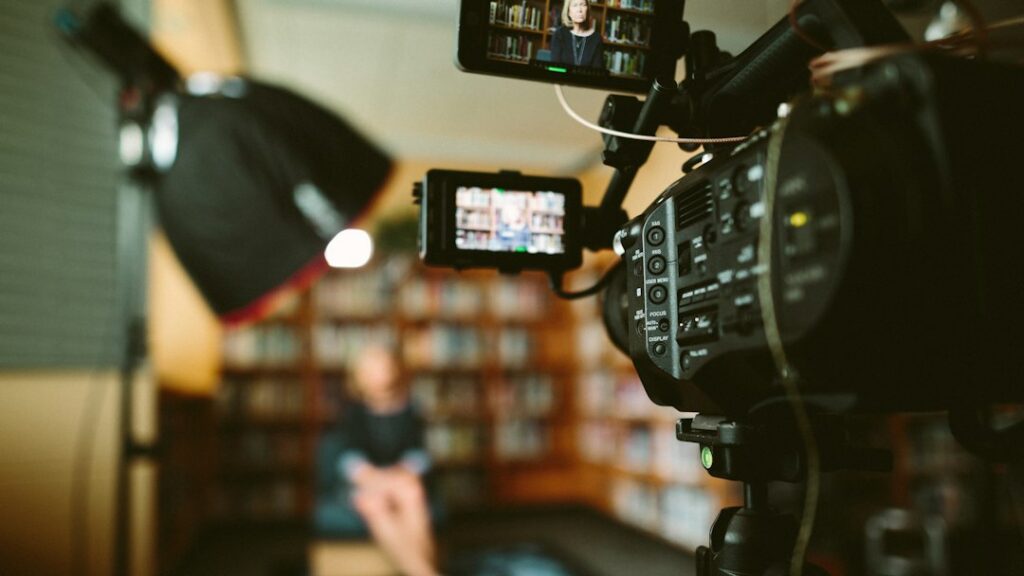
Media training creates space to think through the questions, messages and behaviours that can shape an interview before the pressure of the real conversation.
Define the few points the audience genuinely needs to remember.

Consider likely, difficult and unexpected questions before the interview.
Practise concise answers, transitions and on-camera communication.
Ways to use this service
A spokesperson needs to explain the organisation’s position in language that makes sense outside the organisation. Preparation can focus on the main message, supporting examples and the questions that may challenge it. Practise speaking in short, complete answers rather than reciting a script. Reviewing the response helps identify jargon, unsupported claims or points that need clearer explanation.

Expert knowledge can be difficult to communicate when the audience is unfamiliar with the subject. Training can explore how to lead with the main point, introduce a practical example and explain technical terms. On-camera rehearsal can also help the contributor become aware of pace, delivery and answer length. The purpose is to make expertise more accessible while keeping the information accurate.

A known interview offers useful context for targeted practice. Consider the programme or outlet, the likely audience, the topic, the format and the available time. Prepare for reasonable follow-up questions and areas where information is incomplete. Rehearsal should support a natural conversation and sound judgement, including being clear about what the spokesperson can and cannot responsibly say.

Sessions can be shaped around the spokesperson, interview context and communication objective.
Before we begin
Tell us who will be speaking, the topic, the intended audience and whether a specific interview is scheduled. Share existing key messages, likely questions, useful background and the areas where the spokesperson would value practice. Include the interview format and timing if known. Training scope can then be discussed around message preparation, rehearsal and constructive review.

A clear process keeps the message connected to the objective while leaving room for creative and practical decisions.
Understand the interview and communication objective.
Define the points that must remain clear.
Prepare for likely and challenging lines of enquiry.
Rehearse, review and refine delivery.
Executives, subject-matter experts and other people representing an organisation in public-facing interviews can benefit from preparation.
The focus is clearer thinking and message discipline rather than scripted answers that sound unnatural.
Yes. Preparation can be shaped around a known interview context where appropriate.
No. The aim is stronger preparation and clearer communication, not a guaranteed outcome.
Keep exploring
Explore how video production can support a connected communication plan.
Explore video production →
From the blog
Key messages help a spokesperson stay focused without sounding scripted.
Read the guide →Give your spokesperson a clearer message and a more structured way to prepare.
Start a Conversation